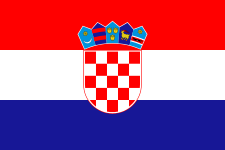
When Croatian football is mentioned, it is hard not to bring up the historic moments from 1998. At the World Cup in France, the Vatreni experienced their first major tournament as an independent national team, and their incredible display left a mark that will be remembered for a long time. Through a series of inspiring performances, Croatia secured a bronze medal, a success that laid the foundation for future generations.
In the group stage, the Vatreni kicked off with a convincing performance against Jamaica, followed by matches against Japan and Jamaica, showcasing their strength and determination. Although they lost to Italy in the quarter-finals, their fight did not go unnoticed. Players such as Davor Šuker, who later became the tournament's top scorer, and Robert Prosinečki, whose creative playing style delighted the audience, became legends.
The most notable moment of this tournament was the semi-final match against the Netherlands. In that match, the Vatreni faced challenges but managed to withstand pressure, achieving a historic victory. In the end, they advanced to the third-place match against the Netherlands, where they again demonstrated their character and courage, securing a bronze medal for Croatia.
This bronze medal was more than just a trophy; it was a symbol of hope and strength for the newly formed nation. The Vatreni showed how sport can unite a people, and their history became an inspiration for many young players. The year 1998 remains etched in the collective consciousness of the Croatian people, and the successes of the Vatreni continue to inspire new generations to dream big.
As the Vatreni prepare for a new chapter at the World Cup 2026, it is essential to remember these historic moments that shaped the identity of Croatian football. In this context, the bronze medal from 1998 is not just a sporting achievement but a symbol of resilience and unity that will endure forever.