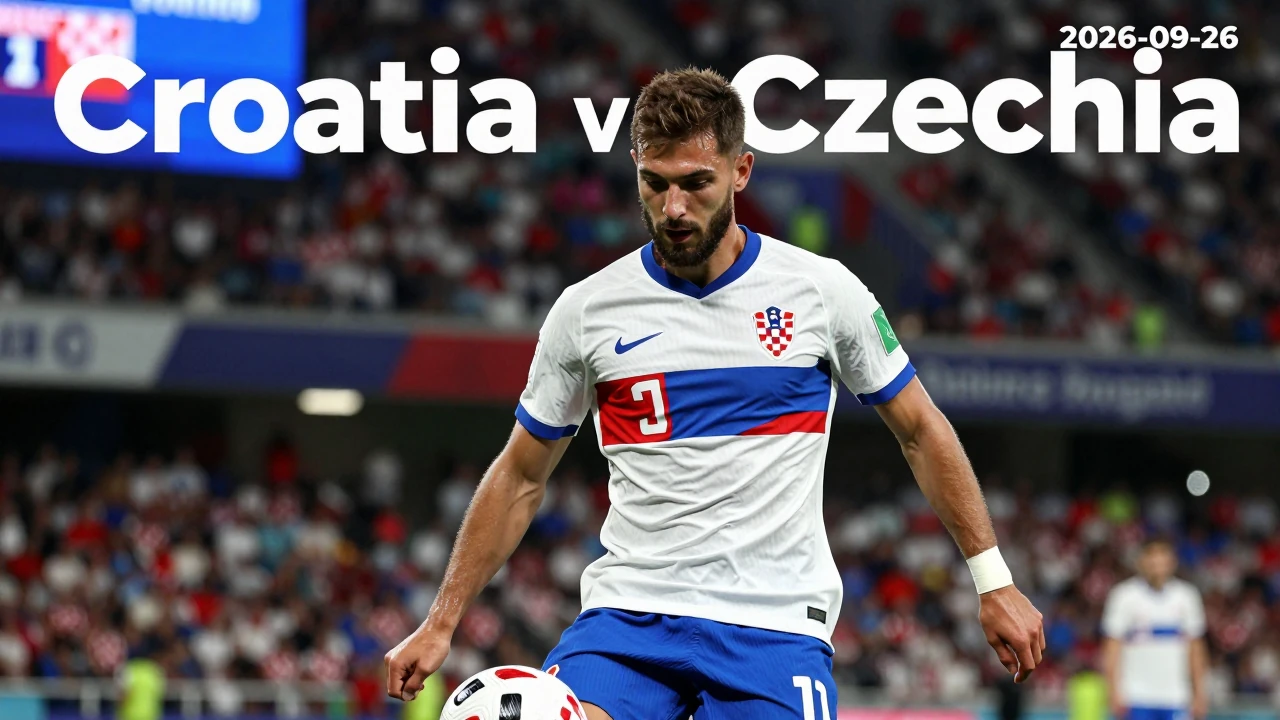
The Croatian national football team, Vatreni, has the opportunity to optimize their play ahead of the World Cup 2026. While recent matches have shown some progress, analyses reveal several tactical aspects that require adjustment to achieve maximum effectiveness on the global stage.
Recent Tactical Patterns
In recent matches, Vatreni have often employed a 4-3-3 formation that facilitates wide play and quick counterattacks. However, changes in opponents' approaches and styles of play necessitate a deeper analysis. While wingers like Josip Brekalo and Ante Rebić have made significant contributions, their effectiveness can be enhanced through better collaboration with the midfield.
Suggested Tweaks
One key adjustment could be transitioning to a 4-2-3-1 formation. This formation would allow for greater control of the midfield and provide additional support to attackers. For example, Luka Modrić and Mateo Kovačić could function as the central midfielders, while a third midfielder, such as Marcelo Brozović, ensures balance between attack and defense.
Additionally, a change in the pressing approach could yield significant benefits. Instead of employing a high press, Vatreni could adopt a mid-block, enabling them to reorganize quickly in defense and reduce pressure on their full-backs.
Engaging Wing Play
It is also important to focus on the wingers. Brekalo and Rebić have great potential, but they should develop more synergy and combinations with the striker. Introducing an additional attacking midfielder could provide greater variations in play, creating more goal-scoring opportunities.
Conclusion
As the World Cup approaches, Vatreni have the chance to enhance their game through tactical adjustments. By adapting their formation and style of play, Croatia can achieve better results and continue the tradition of success on the world stage.