Introduction
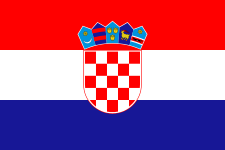
Fan culture in Croatia is not just about cheering for a favorite club or the national team; it’s a lifestyle, a passion that permeates every corner of the country. The Vatreni, as we fondly call our national team, are not only a symbol of football success but also bearers of deep traditions and rituals that are practiced at every match.
Derby Atmosphere
Matches involving city derbies, such as those between Zagreb's Dinamo and Split's Hajduk, become true football battles, not only on the field but among the fans as well. The atmosphere in the stadium, filled with chants, banners, and choreographies, testifies to a passion that transcends mere sport. Fans don’t just come to watch the match; they come to create history and participate in something greater than themselves. Before these derbies, cities literally transform, and fans gather days in advance, creating a sense of community that is hard to describe.
Pre-Match Rituals
Before every match, Croatian fans have their rituals that include gathering in public squares, drinking beer, and singing. These traditions foster a sense of togetherness and belonging. In Zagreb, for instance, Ban Jelačić Square becomes the epicenter of fan gatherings, where songs celebrating the Vatreni are performed, and banners are prepared to adorn the stadium later. This atmosphere is infectious, and anyone who joins feels like part of a big family.
The Stadium as a Sanctuary
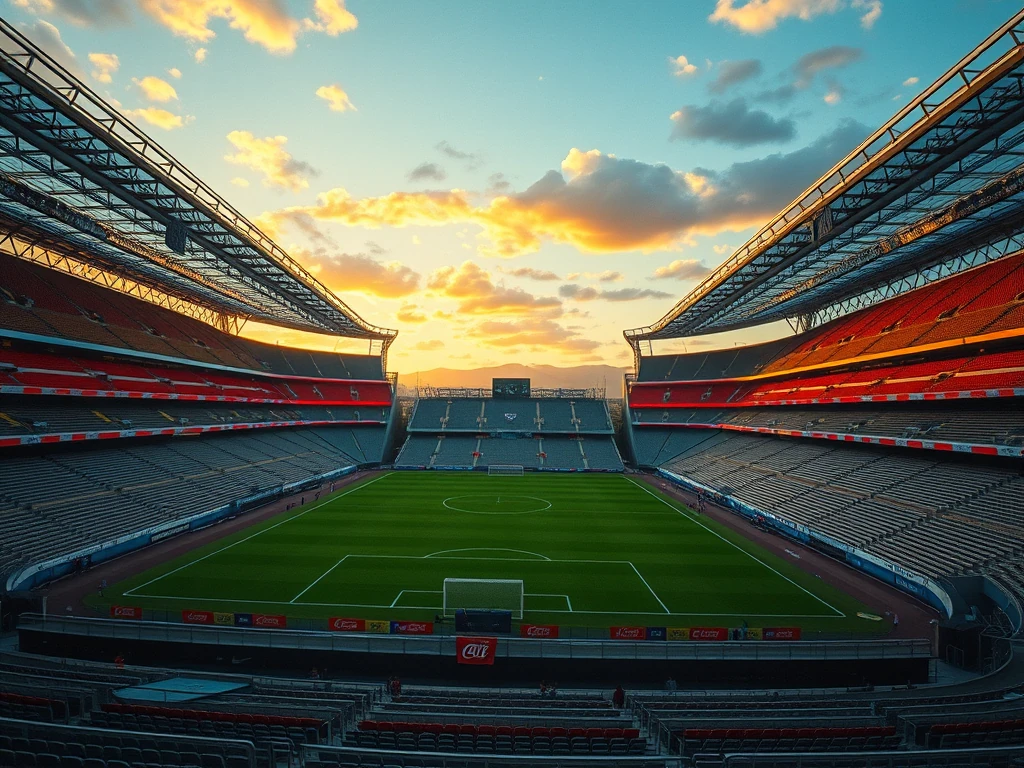
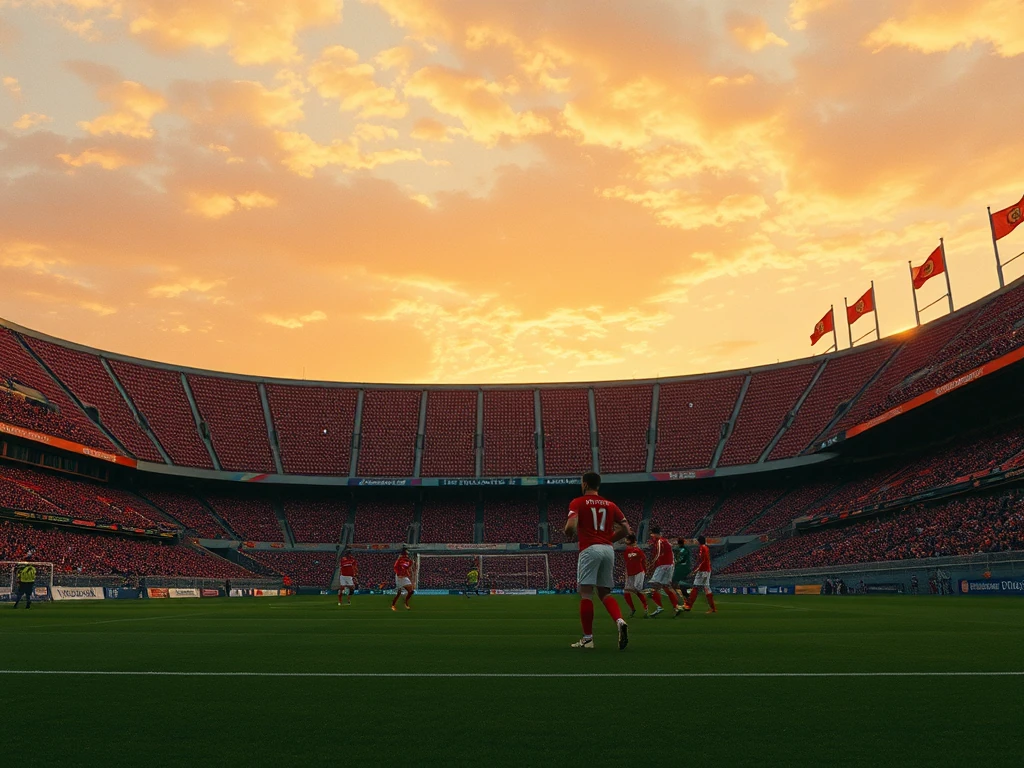
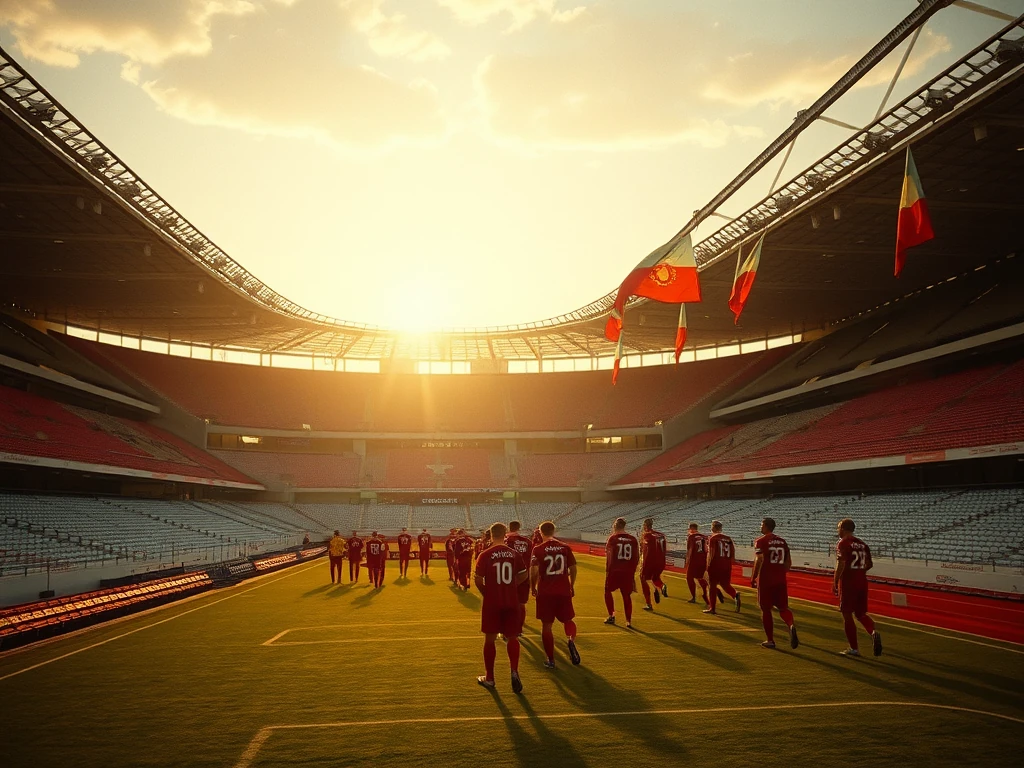
The stadium, whether it’s Maksimir or Poljud, undergoes a transformation when fans gather. The ritual of lighting flares, performing choreographies, and singing songs together creates an unforgettable atmosphere. Fans often use their voices as instruments, and every chant and song becomes part of a symphony that resonates on the field. These practices are not mere decorations; they are how fans express their support and love for the national team.
Community and Identity
Through all these rituals, Croatian fans strengthen their identity and community. No matter where they come from, they all gather under the same flag, sharing joys and sorrows. Every experience in the stadium becomes a story to be told for generations. This passionate dedication creates not just fans but a community proud of its history and tradition.
Conclusion
As we prepare for the 2026 World Cup, it’s important to remember that football is not just a sport; it is the culmination of culture, tradition, and community. The Vatreni are not just a team on the field; they are a symbol of Croatian identity, and their fans, with rituals and traditions, make every moment in the stadium unforgettable.