
Introduction
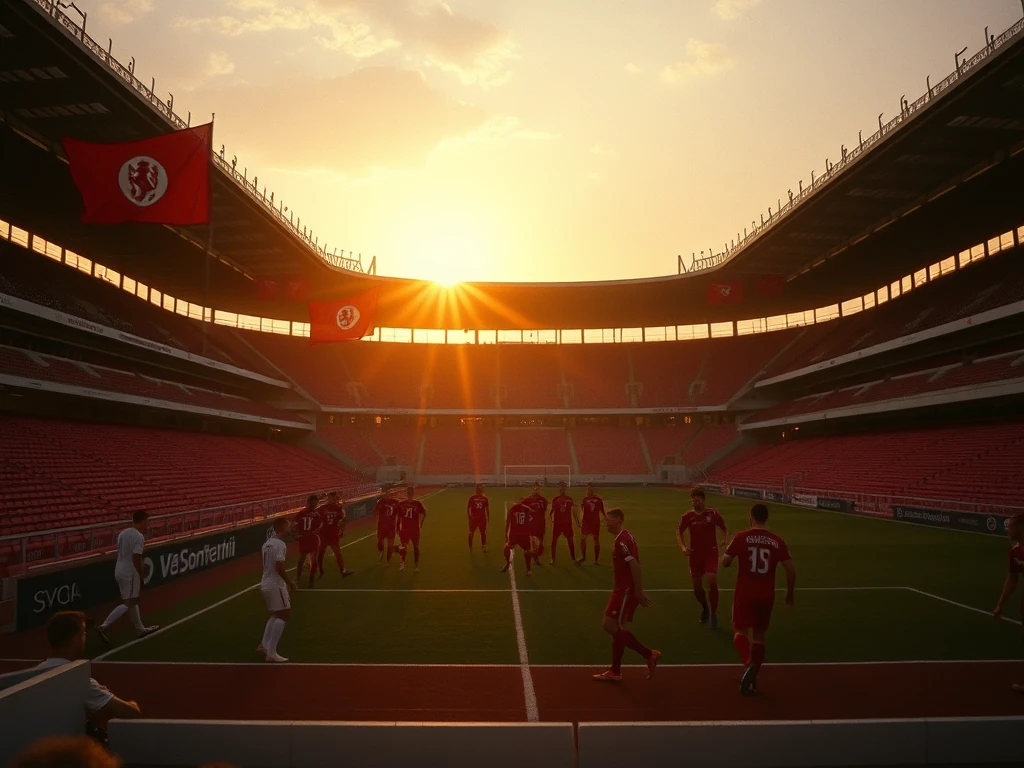
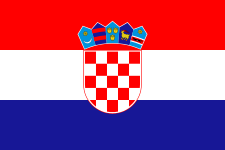
Being Croatian is not just about wearing a jersey with a crest; it’s about carrying a history, tradition, and passion that has been passed down through generations. In the football world, especially in the context of the Vatreni's success at the FIFA World Cup 2026, this identity takes on additional weight and significance. As Croatian football evolves, so does our perception of what it means to be part of this community.
History of Croatian Football
Croatian football boasts a rich history that dates back over a century. With the first football clubs established as early as the 19th century, Croatian players quickly made their mark on the domestic scene. However, the true turning point came in 1998, when the national team clinched the bronze medal at the World Cup in France. This achievement not only brought pride but also shaped national identity.
- 1998: First World Cup
- Bronze medal: symbol of strength and unity
- FIFA World Cup 2026: new opportunity for historic success
The Role of Football in Shaping Identity
Football is more than just a sport; it’s a connection that brings people together. Through successes and failures, Croatian fans develop a sense of belonging and community. Every match, especially in major tournaments like the FIFA World Cup, becomes an opportunity to showcase national spirit. This connection is often expressed in songs, cheering, and rituals that accompany the national team.
Vatreni as a Symbol
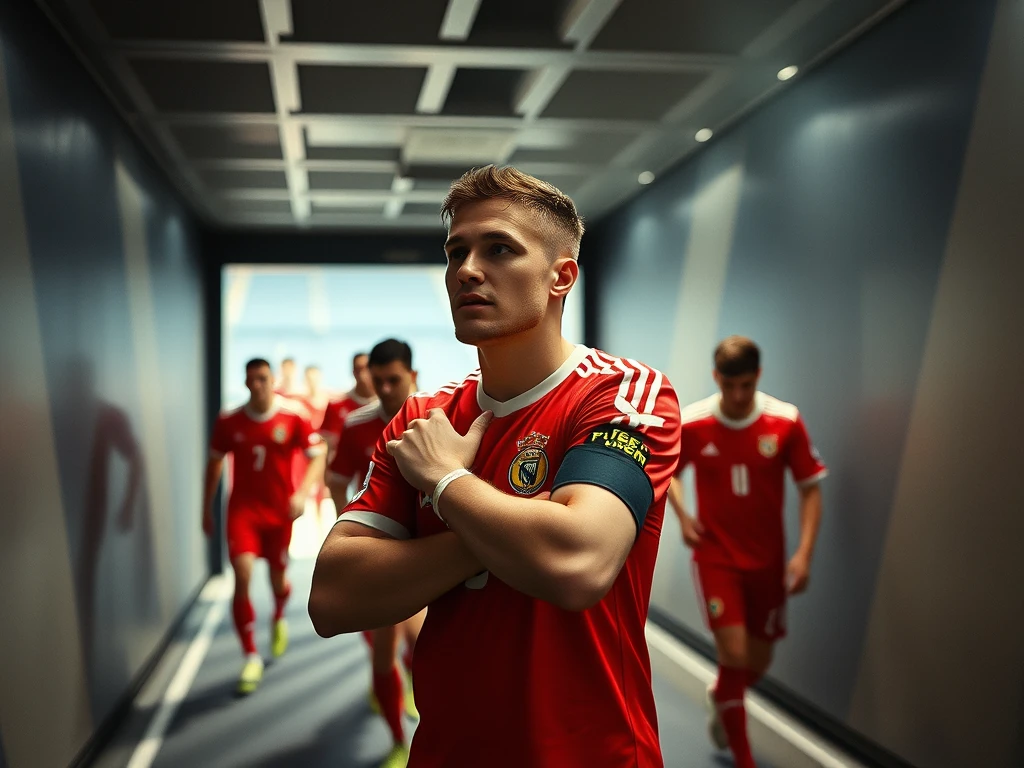
The Croatian national team, known as the Vatreni, has become a symbol of national pride. Players like Luka Modrić, Marcelo Brozović, and Ante Rebić represent not only their club colors but the entire nation. Their struggles and successes on the pitch inspire younger generations to dream and strive for achievements.
Impact on Community
In Croatia, football is not just entertainment; it’s a way of life. Local clubs and their academies play a crucial role in developing young talents. These clubs serve as springboards for young players who aspire to follow in the footsteps of their idols.
- Academies: developing young talents
- Local clubs: community and identity
- Connection: fans and players
Global Presence of Croatian Football
With the increasing popularity of Croatian football, more players from Croatia are achieving success abroad. Players like Ivan Rakitić and Dejan Lovren have become well-known worldwide, elevating the profile of Croatian football on the global stage. This presence helps promote Croatian identity, and success in foreign leagues creates added interest in domestic football.
Fan Reactions and Outlook
Fans are the heart of Croatian football. Their dedication and passion are evident in every cheer, regardless of where the Vatreni are playing. As the FIFA World Cup 2026 approaches, expectations are rising, and the community is coming together in anticipation of new successes. Fans hope their national team will once again bring joy and pride.
Key Points:
- Vatreni preparing for World Cup 2026.
- Global presence of Croatian players.
- Role of fans in maintaining national identity.
What’s Next?
Croatian football faces new challenges, but also opportunities. With young talents coming through the academies and experienced players bringing knowledge and skills, the future looks bright. Every match is an opportunity to showcase what it means to be Croatian, and with the support of their fans, the national team will continue to write history on the world stage.
Conclusion
Being Croatian in the football world means more than just watching matches or cheering for the national team. It’s a part of identity, cultural heritage, and community shared among all sports lovers. Through football, our dreams and ambitions continue to grow, and the national team, supported by its fans, will keep making history on the global scene.