 Croatia Hub
The year 1998 was a turning point for Croatian football, and the World Cup in France brought moments that would forever remain in the collective memory of the nation. Following the gain of independence, Croatia sought its place on the world football stage, and the Vatreni became a symbol of hope and pride.
Under the guidance of coach Miroslav Blažević, Croatia shone at the tournament. Their victory over Japan in the quarter-finals was particularly emotional, with Davor Šuker scoring an incredible goal in extra time. This victory not only secured a spot in the semi-finals but also demonstrated that Croatia could compete with the best.
In the semi-finals, the match against the Netherlands was a true football feast. The Vatreni showcased incredible fighting spirit and team chemistry, with Šuker's goal once again proving crucial. His talent and leadership inspired the entire team and fans, and Croatia secured a historic place in the final.
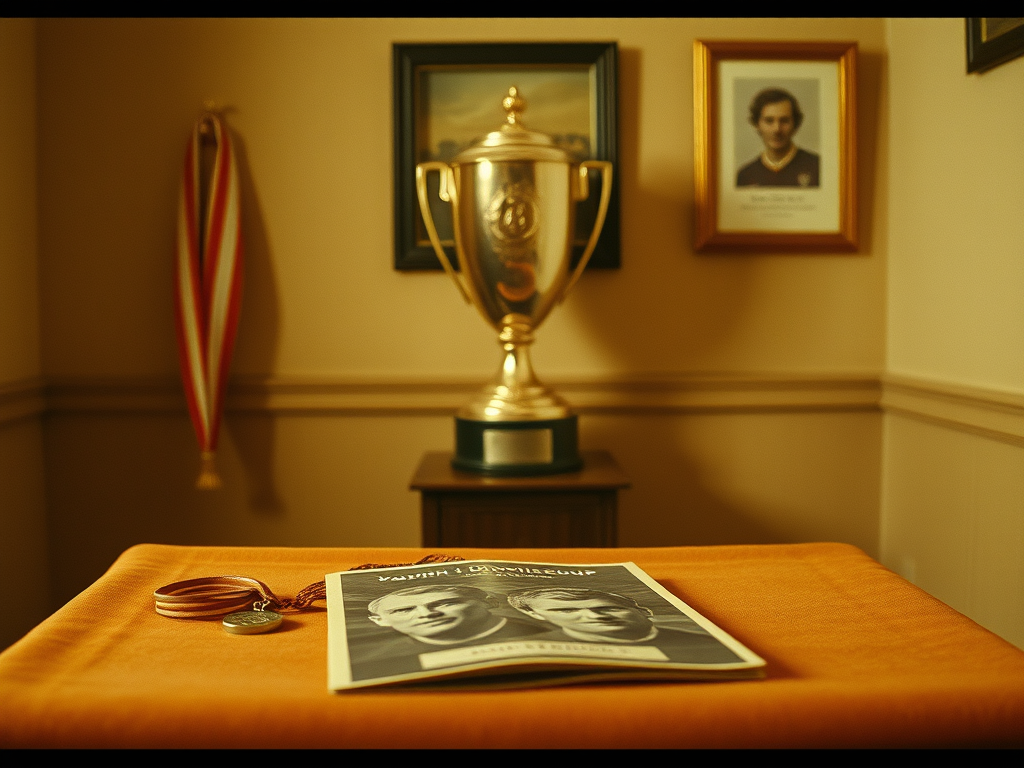
Although they lost to France in the final, the bronze medal earned against the Netherlands was a magnificent conclusion to the tournament. This medal was not merely a trophy; it was a symbol of struggle, determination, and the attitude displayed by Croatian players throughout the competition.
The success at the 1998 World Cup brought Croatia not just football glory but a sense of unity and pride among its citizens. The Vatreni became national heroes, and their story inspired generations of young footballers. This moment in the history of Croatian football shaped the identity of the national team and left a deep mark in the hearts of all fans.
Today, as the Vatreni prepare for the 2026 World Cup, the memory of 1998 serves as a foundation and motivation. This incredible success story reminds us that dreams can become reality through courage, unity, and determination. The Croatian national football team continues its journey, always with eyes set on the future, yet never forgetting its past.