
Luka Modrić: Captain and Icon
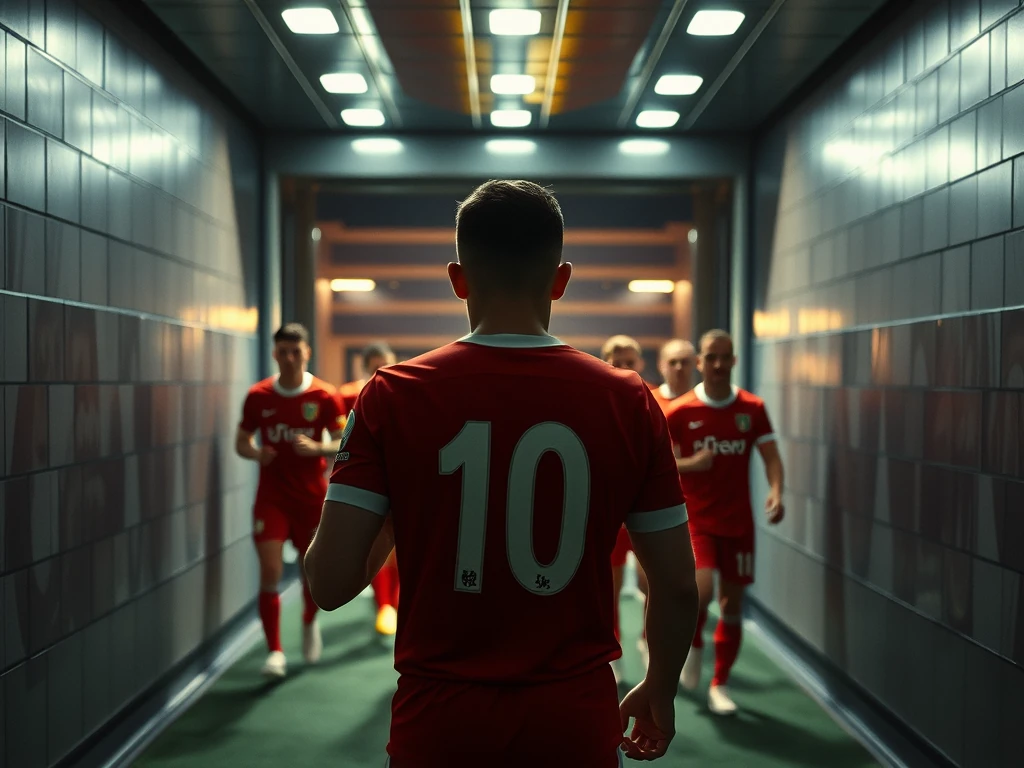
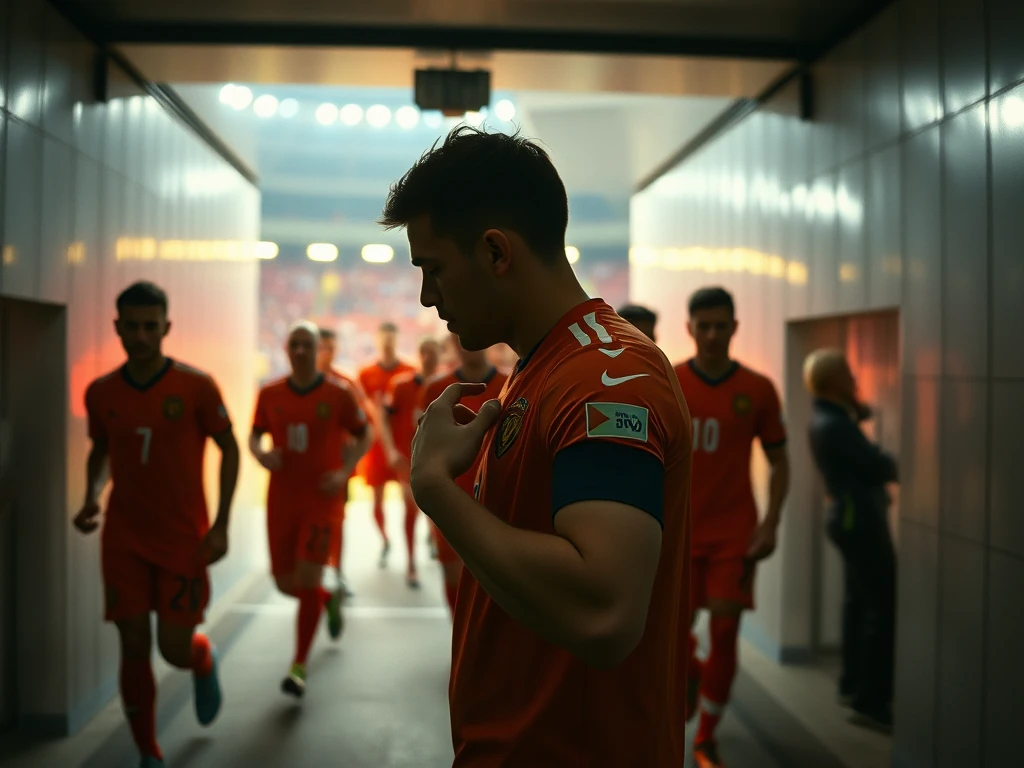
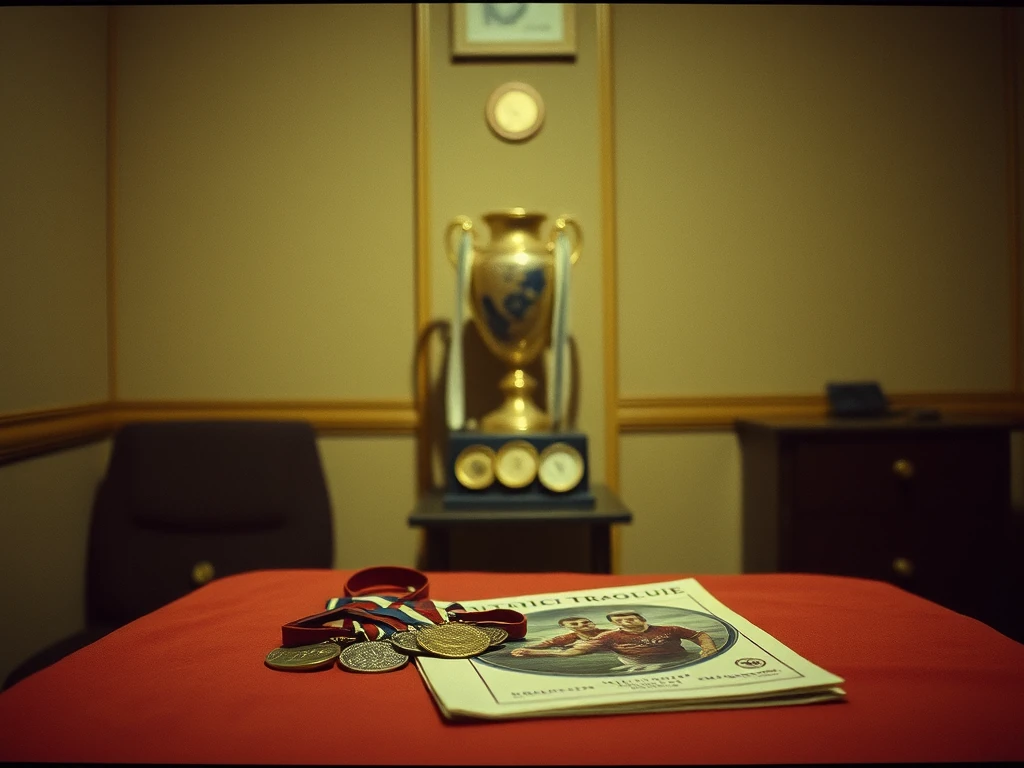
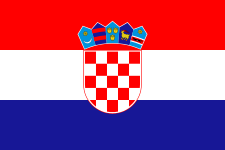
In 2026, Luka Modrić, the captain and leader of the Croatian national team, enters his fifth World Cup. Approaching 40 years old, Modrić aims to achieve an incredible milestone - 200 appearances for his national team. His remarkable career, which includes winning the Ballon d'Or and leading Croatia to the final of the 2018 World Cup, cements him as one of the most significant players in history. This opportunity is crucial not only for Modrić but also for the entire Croatian national team, which hopes to replicate the success from Russia.
Tactical Overview and Key Players
The Croatian national team is renowned for its technical skill and tactical flexibility. Under the guidance of manager Zlatko Dalić, the Vatreni will likely employ a 4-3-3 formation that allows them to control the midfield and execute quick attacks. Key players alongside Modrić include Marcelo Brozović, Ivan Perišić, and Josip Stanišić, all vital for the team’s success.
Dalić will also need to find a way to integrate younger players such as Jaka Bijol and Luka Sučić. The role of these young talents could be crucial, especially when older players like Modrić may struggle to maintain the pace.
What it Means for Croatia
This generation of Vatreni carries the weight of expectations and the legacy of past successes. Croatia has set the bar high after the 2018 final, and the nation is captivated by the possibility of another ascent on the world football stage. Fans have high hopes, and every step towards Qatar 2026 will be scrutinized. If Croatia successfully navigates the group stage, it could signal a return to confidence and motivation for upcoming challenges.
- Luka Modrić as captain
- Zlatko Dalić on the bench
- Key players: Brozović, Perišić, Stanišić
- Young talents: Bijol, Sučić
The Broader Championship Picture
The 2026 World Cup will be unique as it will take place across three countries: the United States, Canada, and Mexico. This format presents new challenges but also opportunities for teams to showcase their skills on a grand stage. Croatia will face strong opponents in their group, including Brazil and Germany, which will further test their resilience and skill.
Moreover, FIFA plans to expand the tournament to 48 teams, allowing more nations to participate. This change could open doors for smaller countries, but Croatia must remain focused on its goals and strategy to navigate through this competition.
Fan Reaction and Outlook
Fans in Croatia are buzzing with excitement about the upcoming tournament. Many hope Modrić, after all these years, will shine once again on the world stage. Social media is already filled with numerous comments and predictions about how Croatia might fare. Supporters are divided, but most believe Croatia will at least progress past the group stage.
Given their recent results, Croatia has achieved several impressive victories in qualifiers, which boosts morale. However, critics argue that the lack of experience from younger players may pose a challenge in crucial moments.
What's Next
As 12 December 2026 approaches, the Croatian national team will continue to prepare for the challenges ahead. Every friendly match and training session will be an opportunity to refine tactics and strengthen player chemistry. With Modrić as the leader, the Vatreni will strive to create another unforgettable moment in Croatian football history.
This year isn’t just another chance for Croatian football; it’s an opportunity for historic achievement, and all fans eagerly anticipate the magic on the pitch.