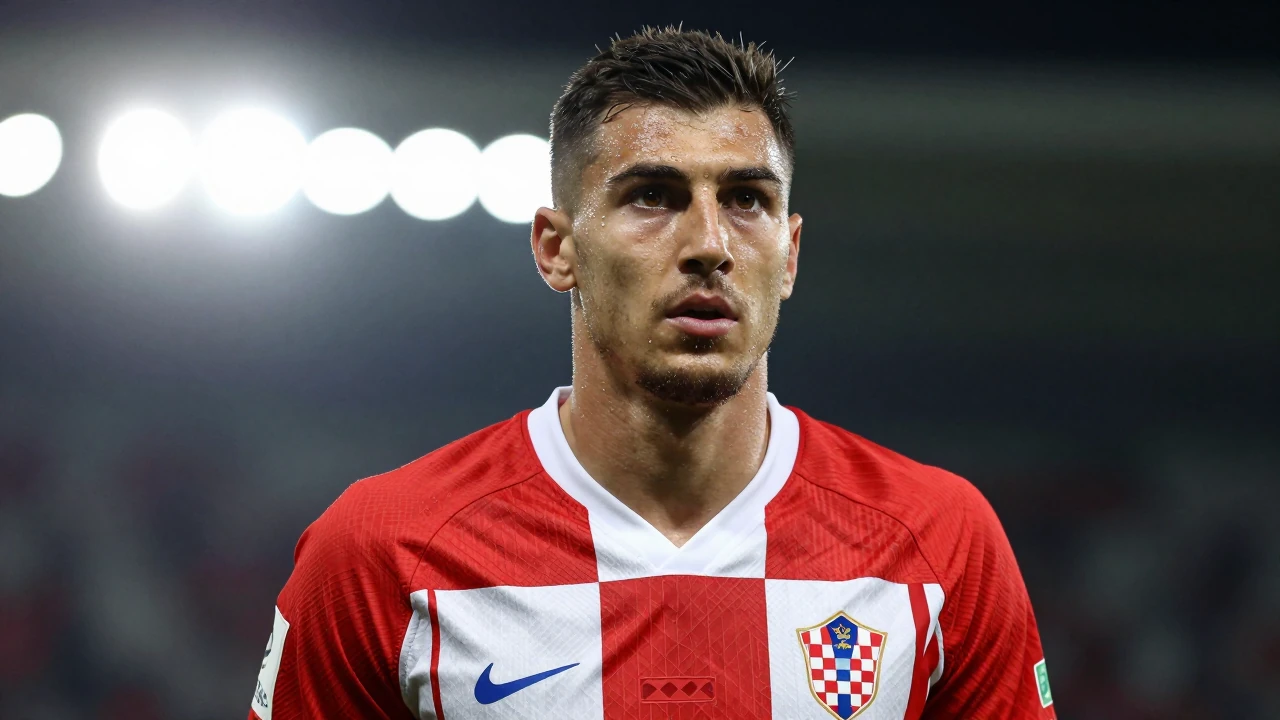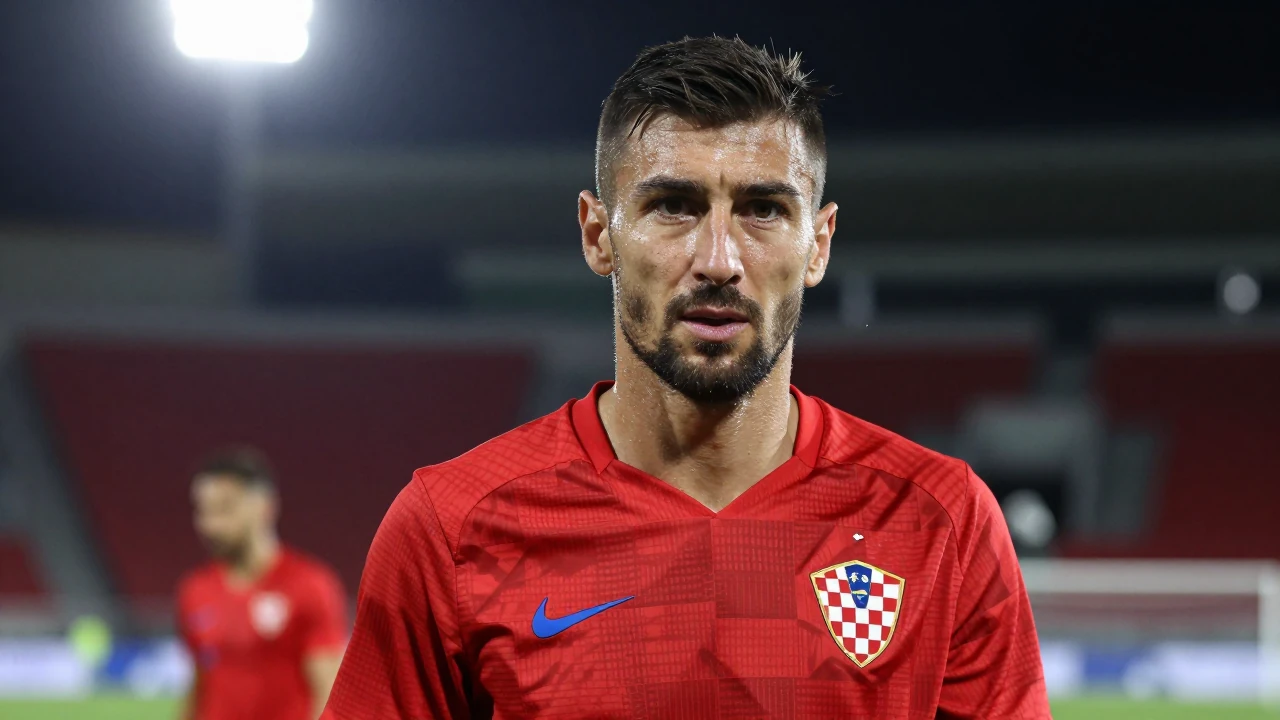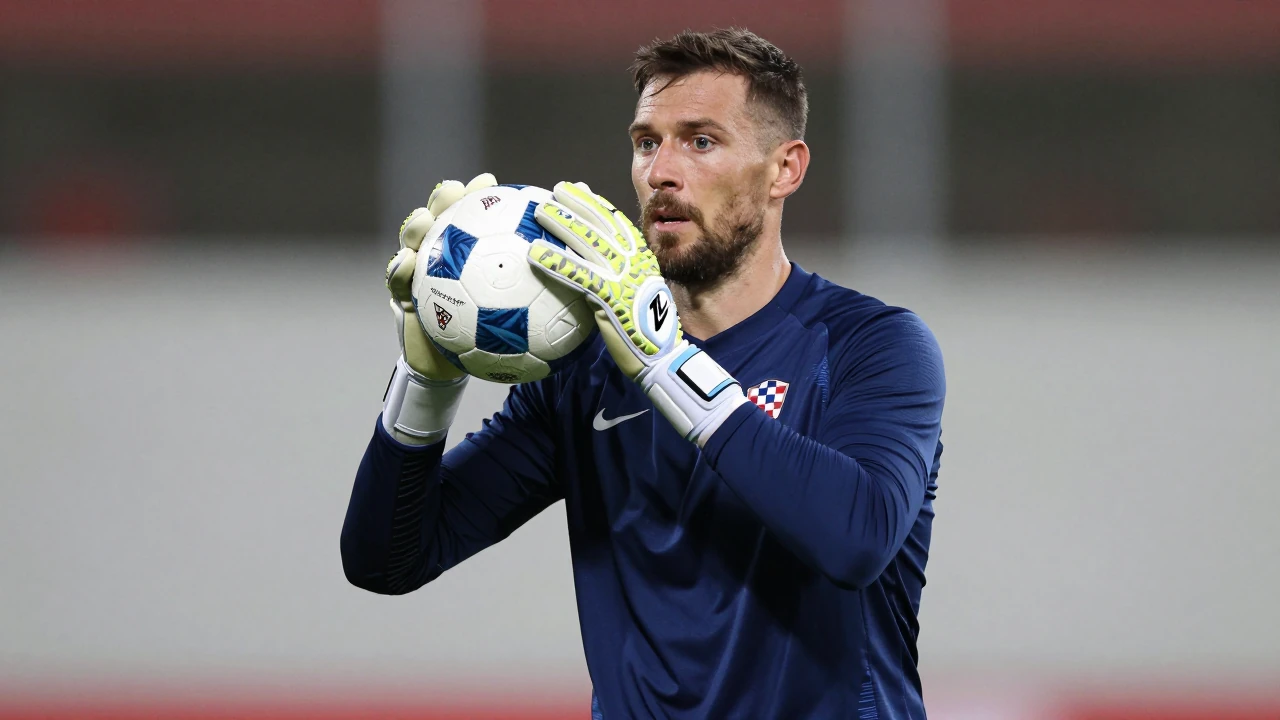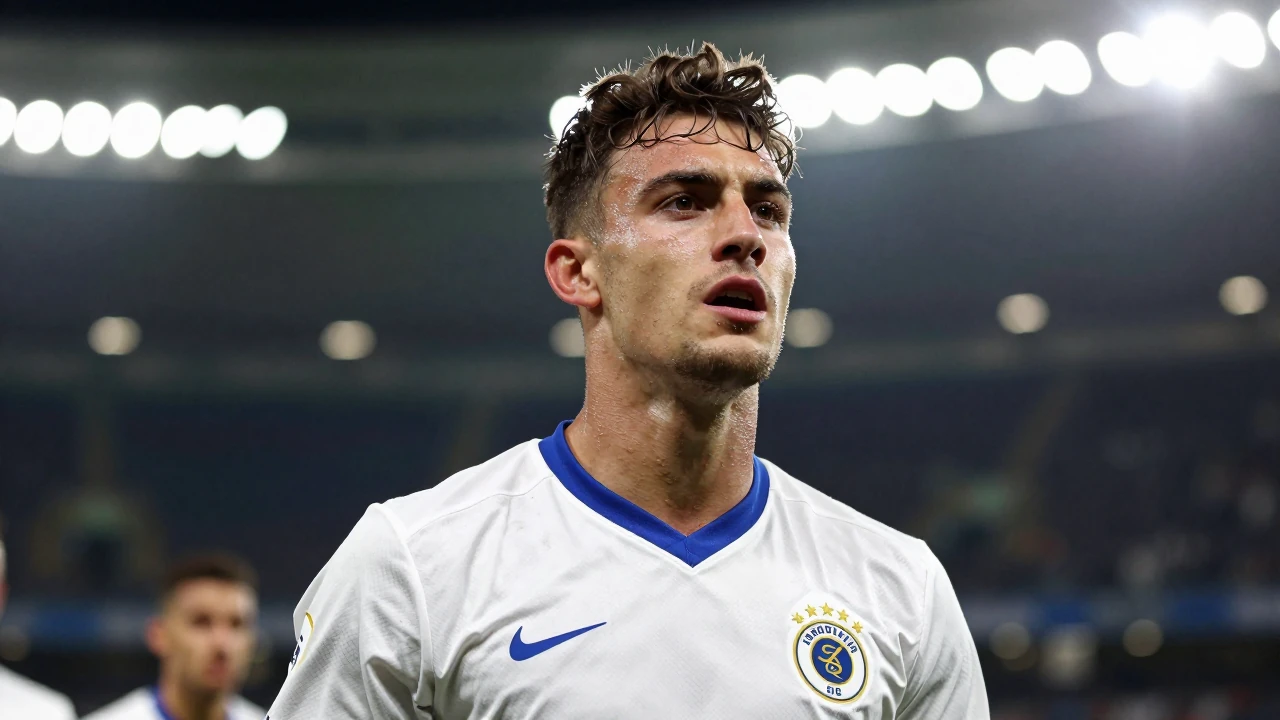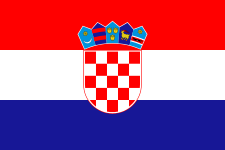
The Croatia national football team has achieved remarkable consistency on the FIFA World Rankings, maintaining a place in the top 20 for nearly three decades. This success is built on a history that began with an official debut at 125th in 1994 and peaked with a rapid rise to 4th by 1998. According to a report by Sportsgrid, the rise of the Vatreni is one of modern football's most compelling stories.
Currently, in September 2026, Croatia sits second in their World Cup qualifying group. They have 6 points from 3 games, with a record of 2 wins, 0 draws, and 1 loss. Recent results show a form of LWWL, and they lost their last match 2-1 to Portugal in early July. Their goal difference is even, with 5 scored and 5 conceded, and they trail group leaders England by just a single point. Their next challenge is an away fixture against Czechia on September 26th, which you can follow on our fixtures page.
How did Croatia's national team journey begin?
While iterations of a Croatian side existed as far back as the 19th century, the modern team began to take shape in 1990. Official recognition as an independent nation in January 1992 opened the door to international competition. At Euro 1996, Croatia immediately showed its potential, topping their group and reaching the quarter-finals. Striker Davor Šuker played a key role, leading the continent in qualifying goals and making a significant impact at the tournament itself.
Their first official FIFA ranking appearance was in 1994 at a humble 125th place. The ascent, however, was meteoric. By 1998, Croatia had climbed to 4th in the world, a position cemented by winning the bronze medal at the World Cup in France. Šuker's goals propelled the team to that third-place finish, marking the end of the first golden generation. From that point to the present day, Croatia has never left the top 20 of the global rankings.
What did the second golden generation achieve?
A new wave of talent began with Euro 2008. Young players like Vedran Ćorluka, Ivan Rakitić, and Luka Modrić became the core of a squad first guided by Slaven Bilić and later by Zlatko Dalić. Dalić's tactical acumen maximized the potential of experienced players like Modrić, transforming the Croatian midfield into one of the world's best. This work culminated at the 2018 World Cup in Russia, where Croatia reached the final and secured the silver medal.
The path wasn't without setbacks. There was disappointment at Euro 2016, and the COVID-19 pandemic disrupted rhythm and affected performance at Euro 2020. Yet, resilience and quality shone through again at the 2022 World Cup in Qatar. Croatia advanced from a challenging group, reached the semi-finals, and ultimately secured the bronze medal. This was the team's third podium finish in World Cup history, from six appearances in the seven tournaments possible since independence. All statistics for these achievements can be found on our stats page.
What is the future for the Vatreni?
With veterans like Luka Modrić and Ivan Perišić nearing the end of their illustrious careers, the focus is shifting to the potential emergence of a third golden generation. Their current qualifying position, second with 6 points, shows the foundation is strong. The loss to Portugal and recent defeats in their form (LLWWW) are reminders of the challenges but also the potential for improvement. Being just one point behind leading England keeps everything in play.
The key battle to maintain this historic top-20 status will be fought on September 26, 2026, away against Czechia. The current squad status can be tracked on our squad page. The historical consistency of Croatia in the FIFA Rankings, established in 1998, is the foundation upon which the next chapter is being built.